
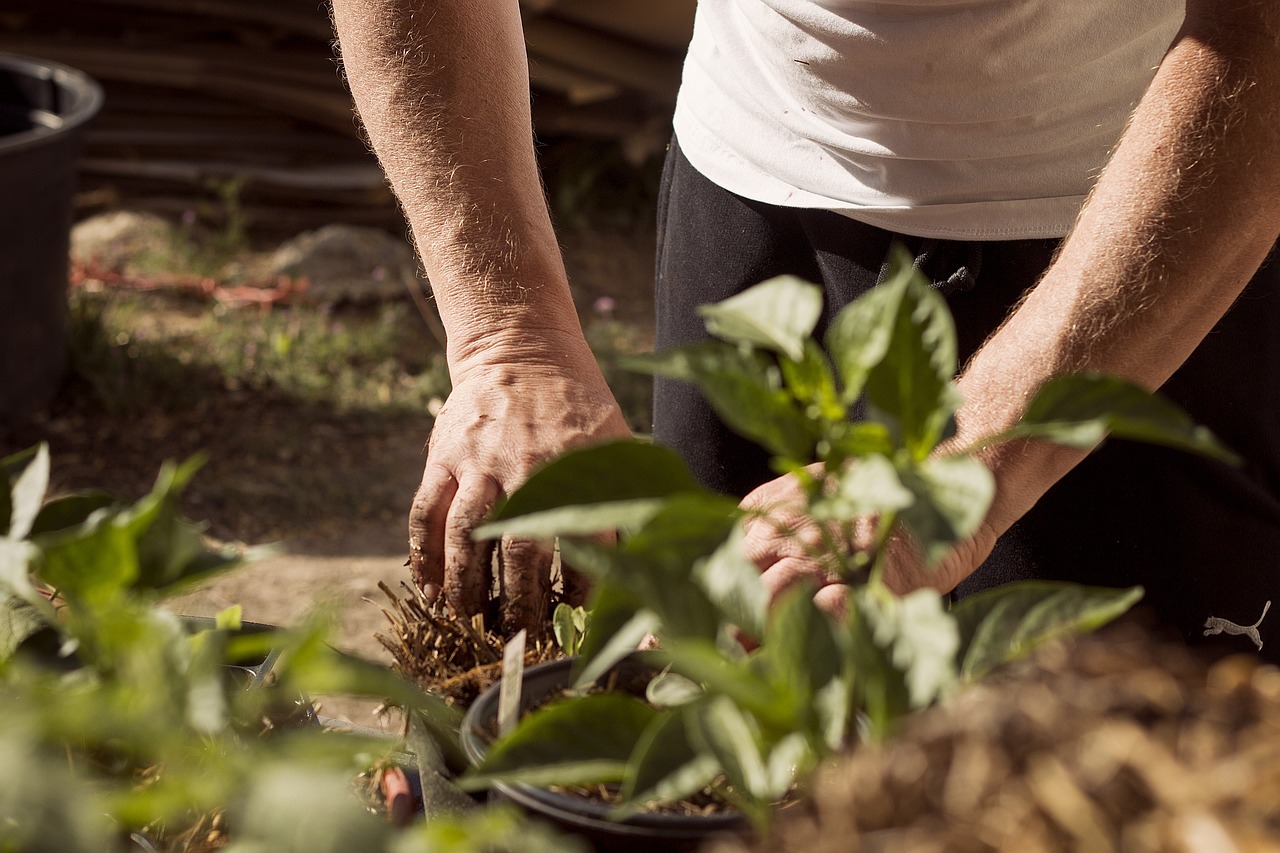
Native Plants and Green Home Landscaping in Australia
Native plants and green home landscaping in Australia offer an extraordinary opportunity to create green, sustainable home landscapes. Incorporating native plants into your home garden not only enhances the beauty of your outdoor space but also supports local ecosystems and promotes sustainability. Whether you are undertaking a large-scale home renovation or starting fresh with a new build, using native plants in your landscaping is a choice that benefits both your home and the environment.
“I want people to feel they are living in good urban environments with greenery and green space.” – Gladys Berejiklian, Australian businesswoman and former politician
Benefits of Native Plants in Home Landscaping
- Low Maintenance: Native plants are well-adapted to the local climate and soil conditions. This means they require less water, fertiliser, and pesticides compared to exotic species. Once established, native plants can thrive with minimal intervention, making them an excellent choice for homeowners seeking a low-maintenance garden.
- Water Efficiency: Australia is no stranger to drought conditions. Native plants have evolved to survive in these challenging conditions, often requiring significantly less water than non-native species. By choosing drought-tolerant natives, you can reduce your water usage and create a more sustainable garden.
- Support for Local Wildlife: Native plants provide essential habitat and food sources for local wildlife, including birds, insects, and small mammals. By planting native species, you can create a thriving ecosystem in your backyard, promoting biodiversity and supporting the health of local wildlife populations.
- Resilience to Local Pests and Diseases: Native plants have natural defenses against local pests and diseases. This resilience reduces the need for chemical treatments, which can be harmful to the environment and your family’s health.
Popular Native Plants for Australian Gardens
When selecting native plants for your garden, consider the specific conditions of your site, such as soil type, sunlight, and rainfall. Here are some popular native plants that are well-suited to Australian gardens:
- Kangaroo Paw (Anigozanthos): Known for its striking, tubular flowers, the Kangaroo Paw is a hardy plant that adds a splash of colour to any garden. It thrives in well-drained soil and full sun, making it perfect for garden beds and borders.
- Waratah (Telopea speciosissima): The Waratah is an iconic Australian plant with large, vibrant red flowers. It prefers well-drained soil and a sunny or partially shaded position. Waratahs are excellent for adding height and drama to your garden.
- Grevillea: With its diverse range of forms and colours, Grevillea is a versatile choice for any garden. These plants are loved by birds for their nectar-rich flowers. They thrive in well-drained soil and full sun and are often used as hedges or ground covers.
- Bottlebrush (Callistemon): The Bottlebrush is named for its distinctive, brush-like flowers. This plant is highly adaptable and can grow in a variety of soil types and conditions. It is excellent for attracting birds and adds a unique texture to your garden.
- Wattle (Acacia): The Wattle is Australia’s national flower and comes in many species, from small shrubs to large trees. Wattles are hardy and drought-tolerant, making them a great choice for sustainable landscaping.
Designing a Green Home Landscape
When planning your green home landscape, consider the following principles to maximise sustainability and aesthetic appeal:
- Use of Local Materials: Source materials locally to reduce the carbon footprint associated with transportation. As mentioned in a blog by Green Match, the foundation of eco-house design rests upon the materials used in construction. This includes soil, mulch, rocks, and other landscaping elements.
- Water-Wise Gardening: Implement water-saving techniques such as drip irrigation, mulching, and rainwater harvesting. Group plants with similar water needs together to ensure efficient water use.
- Native Plant Groupings: Design your garden by grouping plants that naturally occur together in the wild. This not only creates a more authentic and cohesive look but also supports plant health and resilience.
- Natural Mulching: Use organic mulches, such as wood chips or bark, to retain soil moisture, suppress weeds, and improve soil health. Mulching around native plants mimics their natural habitat and enhances their growth.
- Wildlife Habitat: Create habitats for local wildlife by incorporating features such as bird baths, nesting boxes, and insect hotels. Plant a variety of species to provide food and shelter throughout the year.
“Green is the prime colour of the world, and that from which its loveliness arises.” – Pedro Calderon de la Barca, Spanish dramatist and poet
Sustainable Landscaping Practices
To further enhance the sustainability of your home landscape, consider adopting the following practices:
- Composting: Turn kitchen scraps and garden waste into nutrient-rich compost. Composting reduces waste and provides a free source of organic fertiliser for your plants.
- Permeable Surfaces: Use permeable materials for pathways and driveways to allow rainwater to infiltrate the soil, reducing runoff and erosion. Options include gravel, permeable pavers, and porous concrete.
- Green Roofing and Walls: Incorporate green roofs or vertical gardens into your home design. These features improve insulation, reduce the urban heat island effect, and provide additional habitat for wildlife.
- Solar Lighting: Use solar-powered garden lights to illuminate your outdoor space. As mentioned in a blog by Fontan Architecture, a sustainable house is a home that has the least possible negative impact on our environment. Solar lighting is energy-efficient, cost-effective, and easy to install.
- Edible Gardens: Integrate edible plants, such as herbs, vegetables, and fruit trees, into your landscape. Growing your own food reduces reliance on store-bought produce and minimises your carbon footprint.
Incorporating native plants and sustainable practices into your home landscape is a rewarding way to enhance the beauty and functionality of your outdoor space. By choosing native species, you can create a garden that is not only stunning but also environmentally friendly and supportive of local wildlife.
Whether you are starting a new build, undertaking a large-scale renovation, or simply looking to revamp your garden, Mesh Design Projects can help you create a sustainable, energy-efficient home that suits your lifestyle. Our team of experts will work with you to design a contemporary home that meets your needs and reflects your commitment to sustainability. Schedule a call with Mesh Design Projects today to start transforming your home and garden into a sustainable oasis.
FAQs
What are the benefits of using native plants in Australian home landscaping?
Using native plants in Australian home landscaping offers several benefits, including low maintenance, water efficiency, support for local wildlife, and resilience to local pests and diseases. Native plants require less water, fertiliser, and pesticides, making them ideal for sustainable gardening. They also provide essential habitats and food sources for native birds, insects, and small mammals, promoting biodiversity in your garden.
Which native plants are best for Australian home gardens?
Some popular native plants for Australian home gardens include Kangaroo Paw (Anigozanthos), Waratah (Telopea speciosissima), Grevillea, Bottlebrush (Callistemon), and Wattle (Acacia). These plants are well-adapted to local conditions, requiring less water and maintenance, and they offer beautiful flowers and foliage that enhance the aesthetic appeal of your garden.
How can I create a water-efficient garden in Australia?
To create a water-efficient garden in Australia, choose drought-tolerant native plants, implement water-saving techniques such as drip irrigation and mulching, and group plants with similar water needs together. Additionally, consider using rainwater harvesting systems and permeable surfaces to reduce runoff and maximise water usage efficiency.
What are some sustainable landscaping practices for home gardens?
Sustainable landscaping practices for home gardens include composting kitchen scraps and garden waste, using organic mulches, incorporating green roofing and walls, using solar-powered garden lights, and integrating edible plants. These practices help reduce waste, improve soil health, conserve energy, and create a more sustainable and eco-friendly garden.
How do native plants support local wildlife?
Native plants support local wildlife by providing essential habitats and food sources for birds, insects, and small mammals. They offer nectar, pollen, seeds, and shelter that attract and sustain wildlife, promoting biodiversity and healthy ecosystems in your garden. By planting native species, you create a thriving environment that benefits local fauna.
What are the key principles of designing a green home landscape in Australia?
Key principles of designing a green home landscape in Australia include using local materials, implementing water-wise gardening techniques, grouping native plants together, using natural mulching, and creating wildlife habitats. These principles help create a sustainable, low-maintenance garden that enhances the beauty and functionality of your outdoor space.
How can I reduce my garden’s carbon footprint?
To reduce your garden’s carbon footprint, use locally sourced materials, choose native and drought-tolerant plants, compost organic waste, implement water-saving techniques, and incorporate renewable energy sources like solar-powered lights. Additionally, consider reducing lawn areas and replacing them with native ground covers or ornamental grasses.
What are the challenges of using native plants in home landscaping?
Challenges of using native plants in home landscaping include finding the right species for your specific soil and climate conditions, understanding the growth habits and requirements of native plants, and sourcing quality native plants from reputable nurseries. However, with proper planning and research, these challenges can be easily overcome, leading to a successful and sustainable garden. Take the first step to your dream home. Schedule a call with Mesh Design Projects!