
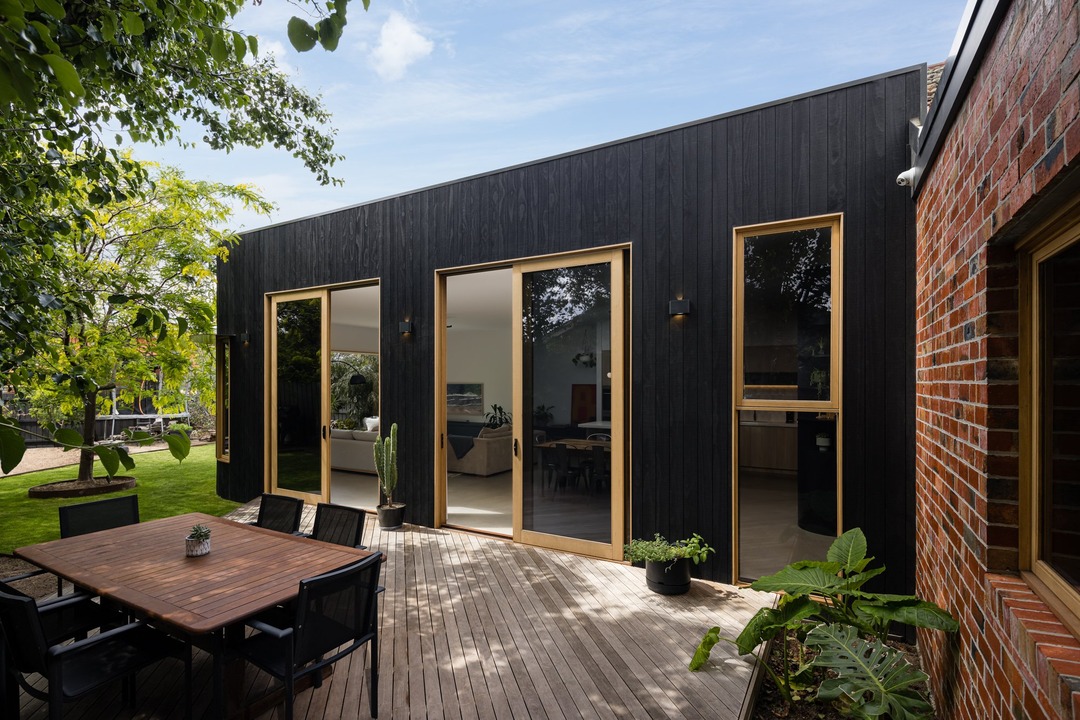
Modern Innovations in Sustainable Home Design
Sustainable home design is no longer just a buzzword but a necessity. As homeowners become more conscious of their environmental impact, the demand for truly sustainable homes has skyrocketed. But what does it really mean to design a sustainable home, and how can modern innovations help you achieve it? This article delves into the latest trends and technologies in sustainable home design that not only reduce your carbon footprint but also create a healthier, more comfortable living space.
Passive House Design Principles
One of the most effective approaches to sustainable home design is incorporating Passive House principles. According to a blog by Billion Bricks, when it comes to sustainable home interior design, paying attention to the small details is just as important as considering the larger furniture pieces. Originating in Germany, this design philosophy focuses on creating a building envelope that minimises energy loss and maximises energy efficiency. By using high-performance windows, extensive insulation, and airtight construction, Passive Houses can maintain a stable indoor temperature with minimal heating and cooling needs.
The result? A home that uses up to 90% less energy for heating and cooling compared to conventional buildings. This not only reduces your utility bills but also lessens your environmental impact, making passive house design an essential consideration for any sustainable home.
Green Roofing Systems
Green roofs, or living roofs, are becoming increasingly popular in urban areas. These systems involve growing vegetation on the roof of a building, providing natural insulation, reducing stormwater runoff, and improving air quality. Green roofs can also extend the lifespan of your roof by protecting it from the elements.
Moreover, green roofs create additional outdoor space that can be used for gardening, relaxing, or even as a small urban farm. They contribute to biodiversity and help mitigate the urban heat island effect, making them a valuable addition to any sustainable home in the city.
Solar Power and Energy Storage
Solar panels have been a staple of sustainable home design for years, but recent innovations have made them more efficient and accessible than ever before. Advances in photovoltaic technology have increased the energy output of solar panels, even in low-light conditions. Additionally, the cost of solar panels has decreased, making them a viable option for more homeowners.
Coupling solar panels with home battery storage systems, such as the Tesla Powerwall, allows homeowners to store excess energy generated during the day for use at night or during power outages. This not only increases energy independence but also ensures a consistent supply of renewable energy, further reducing reliance on fossil fuels.
“Energy is essential for development, and sustainable energy is essential for sustainable development.” – Tim Wirth, American Politician
Smart Home Technology for Energy Efficiency
The integration of smart home technology is revolutionising sustainable home design. With smart thermostats, lighting systems, and appliances, homeowners can optimise energy usage based on their habits and needs. For instance, smart thermostats learn your schedule and adjust the temperature automatically to reduce energy consumption when you’re not at home.
Smart lighting systems, such as those that use motion sensors or daylight harvesting, ensure that lights are only on when needed, further reducing energy waste. These technologies make it easier than ever to maintain an energy-efficient home with minimal effort.
Water Conservation Technologies
Water conservation is a critical component of sustainable home design, especially in regions prone to drought. Modern innovations have made it possible to significantly reduce water usage without sacrificing comfort. Low-flow fixtures, dual-flush toilets, and water-efficient appliances are now standard in sustainable homes.
Rainwater harvesting systems and greywater recycling are also gaining traction. These systems collect and reuse water for irrigation, toilet flushing, and even laundry, reducing the demand on municipal water supplies and lowering your water bill.
“Sustainability is no longer about doing less harm. It’s about doing more good.” – Jochen Zeitz, CEO of Harley-Davidson
Sustainable Building Materials
Choosing sustainable building materials is essential for reducing the environmental impact of home construction. According to a blog by Deslinc, sustainable construction materials are generally designed to offer additional energy efficient benefits compared to traditional ones. Reclaimed wood, recycled steel, and bamboo are popular choices for flooring, framing, and finishes. These materials are not only eco-friendly but also add unique character and warmth to your home.
Innovations in concrete, such as the use of fly ash or slag, reduce the carbon footprint of traditional cement while maintaining its strength and durability. Additionally, the rise of prefabricated and modular construction techniques has minimised waste and increased the efficiency of the building process.
High-Performance Windows and Insulation
Windows and insulation are critical to maintaining a comfortable indoor environment while reducing energy consumption. High-performance windows, such as those with low-emissivity (Low-E) coatings, help to keep heat in during the winter and out during the summer. Triple glazing further enhances insulation, making your home more energy-efficient.
Insulation has also seen significant advancements, with materials like aerogel and vacuum-insulated panels offering superior thermal performance with a thinner profile. These innovations not only improve energy efficiency but also allow for greater design flexibility.
Heat Recovery Ventilation Systems
Indoor air quality is a key concern in sustainable home design, particularly in airtight buildings. Heat recovery ventilation (HRV) systems provide a solution by exchanging stale indoor air with fresh outdoor air while recovering the heat from the outgoing air. This ensures a constant supply of fresh air without compromising energy efficiency.
HRV systems are particularly beneficial in colder climates, where they can reduce the need for heating while maintaining indoor comfort. By improving air quality and reducing energy usage, HRV systems contribute to a healthier, more sustainable home.
Net-Zero Energy Homes
The ultimate goal of sustainable home design is to create a net-zero energy home—one that produces as much energy as it consumes. Achieving this requires a combination of the innovations mentioned above, as well as a holistic approach to design and construction.
Net-zero homes often incorporate renewable energy systems, high-performance building envelopes, and smart home technology to balance energy production and consumption. By reducing energy needs and generating clean energy on-site, net-zero homes offer a glimpse into the future of sustainable living.
Biophilic Design
Biophilic design emphasises the connection between humans and nature, integrating natural elements into the built environment. This approach not only enhances the aesthetic appeal of a home but also improves occupants’ well-being and reduces stress.
Incorporating features such as large windows, indoor plants, natural materials, and water elements, biophilic design brings the outdoors in and fosters a sense of harmony with nature. This design philosophy aligns perfectly with sustainability, creating spaces that are not only environmentally friendly but also nurturing and rejuvenating for the people who live in them.
Mesh Design Projects is at the forefront of modern innovations in sustainable home design, transforming the way we live by offering solutions that are not only eco-friendly but also enhance the comfort and functionality of our homes. Whether you’re planning a new build, a renovation, or simply looking to make your existing home more sustainable, Mesh Design Projects provides the expertise and innovative designs needed to create a home that is kind to both the environment and its inhabitants.
Get a consultation with Mesh Design Projects and embrace these sustainable practices, you can enjoy the benefits of a healthier, more efficient, and more resilient home for years to come.
FAQs
What is a Passive House and how does it contribute to sustainable home design?
A Passive House is a building standard focused on energy efficiency, reducing the need for heating and cooling by up to 90%. This is achieved through high-performance insulation, airtight construction, and energy-efficient windows, making it a cornerstone of sustainable home design. By minimising energy consumption, Passive Houses lower utility bills and reduce environmental impact, contributing to a more sustainable and comfortable living environment.
How do green roofs benefit sustainable home design?
Green roofs, or living roofs, are covered with vegetation that provides natural insulation, reduces stormwater runoff, and improves air quality. These roofs not only enhance the aesthetic appeal of a home but also contribute to energy efficiency by regulating indoor temperatures. In urban settings, green roofs help mitigate the heat island effect, making them an essential component of sustainable home design.
What are the advantages of using solar power and energy storage in home design?
Solar power harnesses renewable energy from the sun, significantly reducing reliance on fossil fuels. When paired with home battery storage systems, such as the Tesla Powerwall, homeowners can store excess energy for use during nighttime or power outages. This combination not only cuts down on energy bills but also ensures a consistent and sustainable energy supply, making solar power a key innovation in sustainable home design.
How does smart home technology contribute to energy efficiency?
Smart home technology optimises energy usage by allowing homeowners to control heating, cooling, lighting, and appliances remotely. Smart thermostats, for example, learn your schedule and adjust temperatures accordingly, reducing energy waste. Similarly, smart lighting systems ensure lights are only on when needed. This technology enhances the energy efficiency of a home, making it an integral part of sustainable home design.
What are the most sustainable building materials for home design?
Sustainable building materials include reclaimed wood, recycled steel, and bamboo, all of which are eco-friendly and durable. These materials reduce the environmental impact of construction while adding unique character to your home. Additionally, innovative materials like aerogel insulation and low-emission concrete further enhance the sustainability of a home by improving energy efficiency and reducing carbon footprints.
What role do heat recovery ventilation systems play in sustainable home design?
Heat recovery ventilation (HRV) systems improve indoor air quality by exchanging stale indoor air with fresh outdoor air while retaining the heat from the outgoing air. This system ensures a constant supply of fresh air without sacrificing energy efficiency. HRV systems are particularly beneficial in airtight homes, reducing the need for additional heating and contributing to a healthier, more sustainable living environment.
How do net-zero energy homes achieve sustainability?
Net-zero energy homes are designed to produce as much energy as they consume, often through a combination of solar power, high-performance insulation, and energy-efficient appliances. By balancing energy production and consumption, these homes minimise their environmental impact, making them the epitome of sustainable home design. Net-zero homes offer long-term savings on energy bills while reducing reliance on non-renewable energy sources.
What is biophilic design and how does it enhance sustainability in home design?
Biophilic design integrates natural elements like plants, natural light, and water features into the built environment, fostering a connection between humans and nature. This design approach not only enhances the aesthetic appeal of a home but also improves occupant well-being by reducing stress and promoting relaxation. By incorporating natural elements, biophilic design supports sustainability by creating spaces that are both environmentally friendly and nurturing. Transform your home with Mesh Design Projects. Schedule your free consultation today and start your journey to sustainable living.
Schedule a free consultation.