
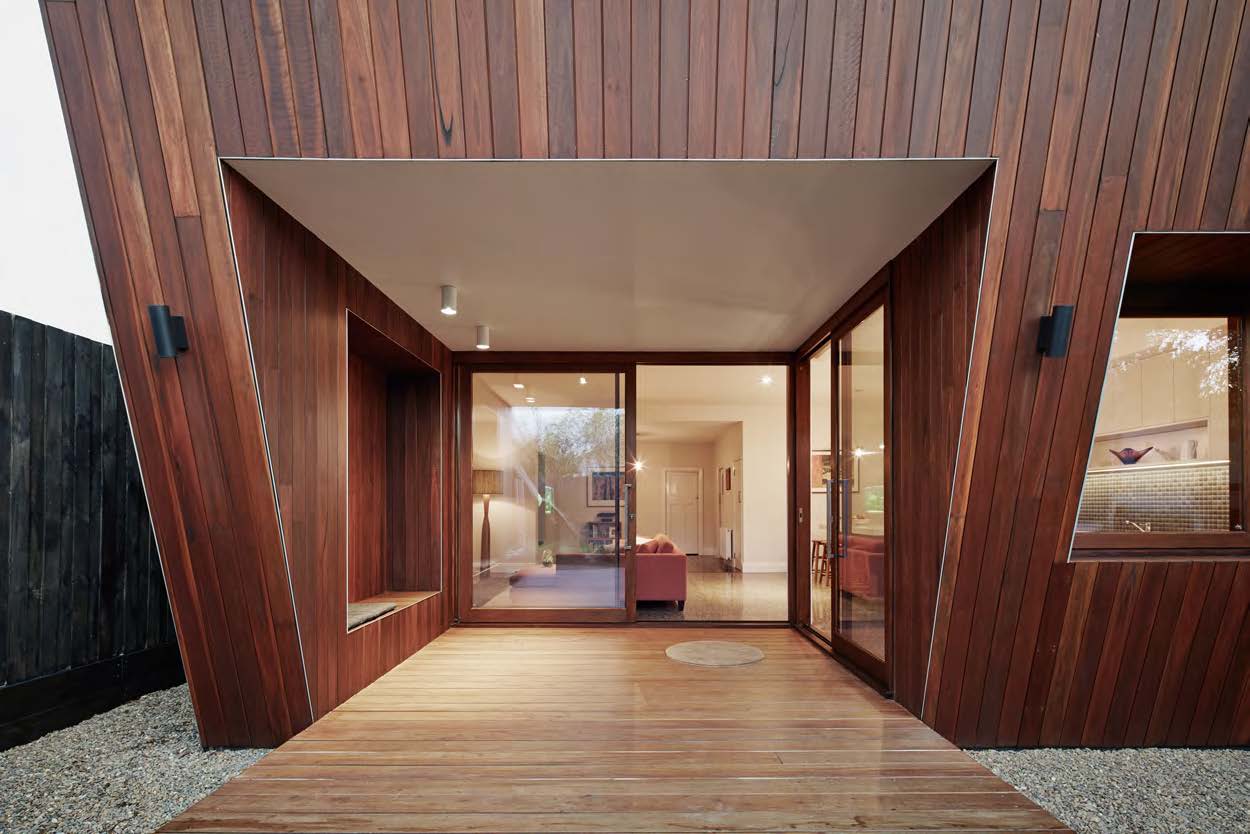
The Environmental Benefits of Sustainable Home Design
In today’s world, where environmental concerns are at the forefront of global discussions, sustainable home design has become more than just a trend; it’s a necessity. Building homes that are environmentally friendly not only helps preserve our planet but also offers numerous benefits to homeowners. Sustainable home design integrates energy efficiency, resource conservation, and innovative building techniques to create homes that are not only beautiful but also have a minimal environmental impact. Let’s explore the key environmental benefits of sustainable home design.
Energy Efficiency
One of the most significant advantages of sustainable home design is improved energy efficiency. As mentioned in a blog by NRF, in the pursuit of sustainable development and improved quality of life, access to clean energy stands as a cornerstone. Traditional homes often rely heavily on fossil fuels for heating, cooling, and electricity, leading to substantial carbon emissions. Sustainable homes, on the other hand, incorporate various energy-efficient technologies and practices.
For instance, the use of high-quality insulation, energy-efficient windows, and smart thermostats can drastically reduce the amount of energy needed to maintain a comfortable indoor temperature. Additionally, incorporating renewable energy sources, such as solar panels or wind turbines, can further decrease reliance on non-renewable energy sources, significantly lowering the home’s carbon footprint.
“I think the cost of energy will come down when we make this transition to renewable energy.” – Al Gore, Former Vice President of the United States
Water Conservation
Water is a precious resource, and sustainable home design places a strong emphasis on conserving it. Sustainable homes often feature low-flow fixtures, dual-flush toilets, and rainwater harvesting systems. These elements work together to reduce water usage, ensuring that this vital resource is used efficiently.
Greywater recycling systems, which repurpose water from showers and sinks for irrigation or toilet flushing, are another innovative feature of sustainable homes. By reducing the amount of freshwater needed for non-potable purposes, these systems contribute significantly to water conservation efforts.
Reduced Waste
The construction and operation of traditional homes generate a considerable amount of waste, from excess building materials to daily household trash. It is mentioned in a blog by Solar Impulse, the overproduction of waste has been causing negative impacts on our environment. Sustainable home design aims to minimise waste through various strategies.
During construction, sustainable practices include using recycled or reclaimed materials, which not only reduce waste but also lower the demand for new resources. Moreover, sustainable homes are often designed to be durable and adaptable, reducing the need for frequent renovations and the associated waste.
Inside the home, sustainable practices such as composting, recycling, and using products with minimal packaging help reduce the amount of waste that ends up in landfills. By focusing on waste reduction, sustainable homes play a crucial role in lessening the overall environmental impact.
“When you put the whole picture together, recycling is the right thing to do.” – Pam Shoemaker, Professor of Communication and Gatekeeping Theorist
Improved Indoor Air Quality
Many conventional building materials and household products emit harmful chemicals and volatile organic compounds (VOCs), which can degrade indoor air quality and pose health risks to occupants. Sustainable home design prioritises the use of non-toxic, low-VOC materials, resulting in cleaner indoor air.
Furthermore, sustainable homes often feature advanced ventilation systems that ensure a constant supply of fresh air while expelling pollutants and moisture. Improved indoor air quality not only benefits the health and well-being of the residents but also reduces the home’s environmental impact by minimising the need for air purification systems.
Sustainable Landscaping
The environmental benefits of sustainable home design extend beyond the walls of the house. Sustainable landscaping practices, such as xeriscaping, which involves using drought-resistant plants, help conserve water and reduce the need for chemical fertilisers and pesticides.
Additionally, integrating green spaces, such as gardens and green roofs, enhances biodiversity and provides habitats for local wildlife. These practices not only create a more pleasant living environment but also contribute to the overall health of the local ecosystem.
Resource Efficiency
Sustainable home design emphasises the efficient use of resources throughout the entire lifecycle of the home. This approach includes selecting materials that are sustainably sourced, have a long lifespan, and can be recycled or repurposed at the end of their useful life.
Building smaller, more efficient homes is another way to conserve resources. Smaller homes require fewer materials to construct and less energy to maintain, making them a more sustainable choice. Moreover, designing homes that can adapt to changing needs over time reduces the need for future expansions or demolitions, further conserving resources.
Climate Change Mitigation
The construction and operation of traditional homes contribute significantly to greenhouse gas emissions, which drive climate change. By adopting sustainable home design practices, homeowners can play a vital role in mitigating climate change.
Sustainable homes are designed to have a low carbon footprint, from the materials used in construction to the energy consumed during operation. By reducing energy consumption, minimising waste, and conserving resources, sustainable homes help decrease the overall greenhouse gas emissions associated with residential buildings.
Enhanced Resilience
Sustainable homes are often built with resilience in mind, designed to withstand extreme weather events and changing environmental conditions. Features such as reinforced structures, storm-resistant windows, and flood-proofing measures ensure that sustainable homes are better equipped to handle natural disasters.
This resilience not only protects the homeowners but also reduces the environmental impact associated with repairing or rebuilding after such events. Sustainable homes, therefore, contribute to creating more resilient communities that are better prepared for the challenges posed by climate change.
Long-Term Cost Savings
While the initial investment in sustainable home design may be higher, the long-term cost savings are substantial. Energy-efficient technologies and renewable energy sources lead to lower utility bills, while durable materials and efficient designs reduce maintenance and repair costs.
These cost savings make sustainable home design an economically viable option for homeowners, providing financial benefits while also protecting the environment. Additionally, the increased value of sustainable homes can lead to higher resale prices, further enhancing their economic appeal.
The environmental benefits of sustainable home design are undeniable. By prioritising energy efficiency, water conservation, waste reduction, and the use of non-toxic materials, sustainable homes significantly reduce their impact on the planet. These homes not only contribute to the fight against climate change but also offer healthier living environments, cost savings, and enhanced resilience.
For Melbourne homeowners looking to embrace sustainable living, Mesh Design Projects offers comprehensive design services that ensure your home is both environmentally friendly and perfectly suited to your lifestyle. By incorporating sustainable practices into the design and construction of your home, you can enjoy the many benefits of sustainable living while making a positive impact on the environment. Book your free consultation with Mesh Design Projects today and start building a greener future!
FAQs
What is a sustainable home plan?
A sustainable home plan is a design strategy focused on creating energy-efficient, resource-conserving, and environmentally friendly homes. These plans incorporate advanced building techniques, renewable energy sources, and eco-friendly materials to minimise the environmental impact and promote a healthier living environment.
How does a sustainable home plan improve energy efficiency?
A sustainable home plan improves energy efficiency by utilising high-quality insulation, energy-efficient windows, and smart thermostats. These elements reduce the energy required for heating and cooling. Additionally, incorporating renewable energy sources like solar panels can significantly lower the home’s dependence on non-renewable energy.
What are the water conservation benefits of a sustainable home plan?
Water conservation is a key benefit of sustainable home plans. These homes often include low-flow fixtures, dual-flush toilets, and rainwater harvesting systems. Greywater recycling systems also play a crucial role by repurposing water from showers and sinks for irrigation or toilet flushing, thereby reducing overall water usage.
How does a sustainable home plan reduce waste?
Sustainable home plans reduce waste through the use of recycled or reclaimed materials during construction. These homes are designed to be durable and adaptable, reducing the need for frequent renovations. Inside the home, practices such as composting and recycling further minimise waste, helping to lessen the environmental impact.
Why is indoor air quality better in a sustainable home?
Indoor air quality is improved in sustainable homes because they prioritise the use of non-toxic, low-VOC materials. Advanced ventilation systems are also a common feature, ensuring a constant supply of fresh air while expelling pollutants and moisture. This results in a healthier indoor environment for occupants.
What is sustainable landscaping, and how does it benefit the environment?
Sustainable landscaping involves using drought-resistant plants and integrating green spaces like gardens and green roofs. These practices conserve water, reduce the need for chemical fertilisers and pesticides, and enhance biodiversity by providing habitats for local wildlife. Sustainable landscaping creates a more pleasant living environment while supporting local ecosystems.
How does a sustainable home plan contribute to climate change mitigation?
A sustainable home plan contributes to climate change mitigation by reducing greenhouse gas emissions. These homes are designed to have a low carbon footprint through energy-efficient technologies, renewable energy sources, and resource conservation practices. By decreasing reliance on fossil fuels, sustainable homes help combat climate change.
Are there long-term cost savings with a sustainable home plan?
Yes, sustainable home plans offer substantial long-term cost savings. Energy-efficient technologies and renewable energy sources lead to lower utility bills. Durable materials and efficient designs reduce maintenance and repair costs. Additionally, the increased resale value of sustainable homes further enhances their economic appeal. Start your path to sustainable living with Mesh Design Projects. Book your free consultation!