
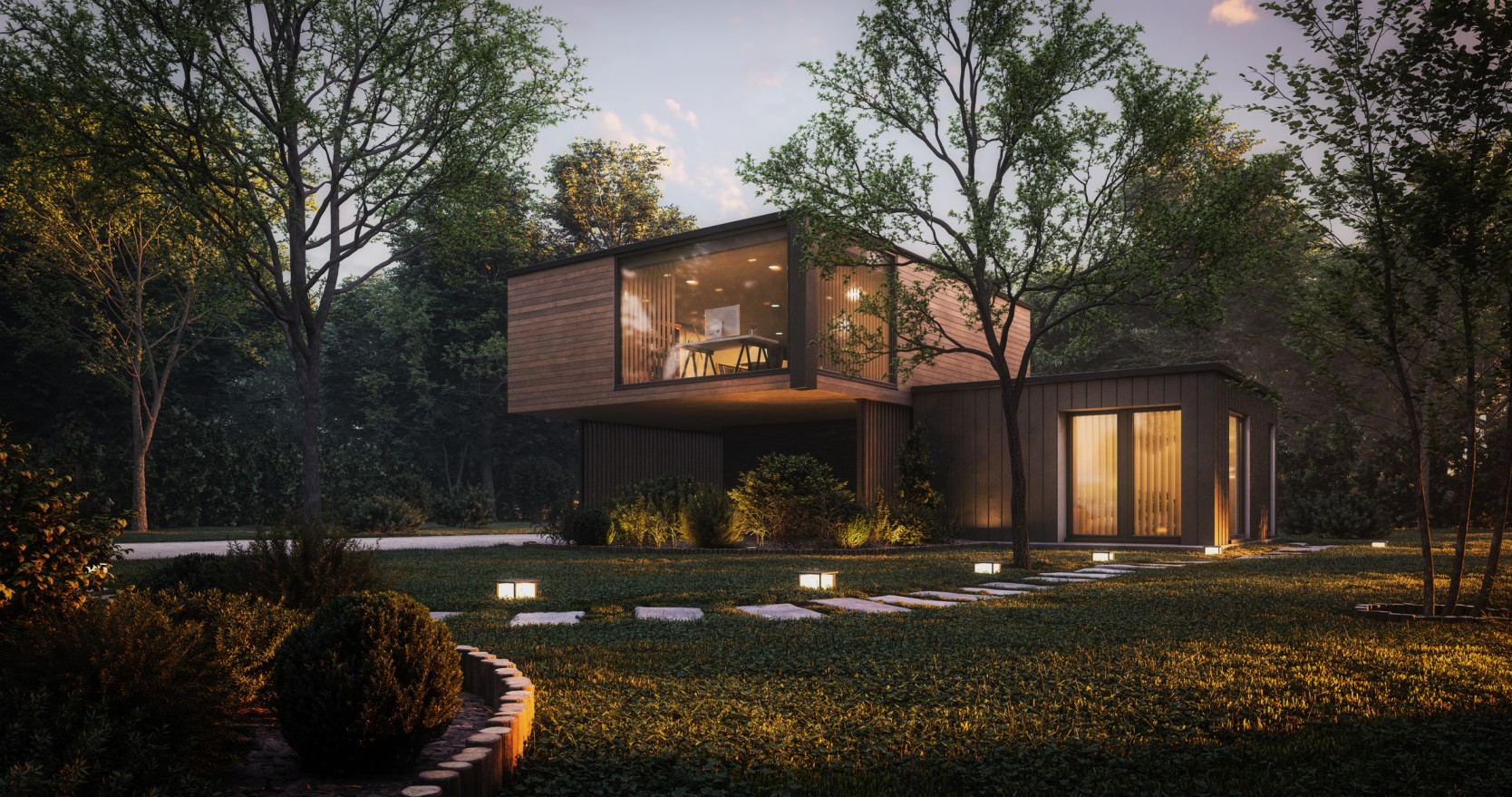
Energy-Efficient Landscaping: How to Conserve Energy Outdoors
Energy conservation is not just a choice. It’s a necessity in today’s world. Homeowners are constantly seeking ways to reduce their carbon footprint and energy bills. One often overlooked area is the great outdoors that surrounds our homes. Yes, you heard it right! Your garden, backyard, or any outdoor space can be transformed into an energy-efficient landscape, contributing to a greener planet and a lighter energy bill. Let’s delve into how you can integrate sustainability into every aspect of home design, including landscaping.The Role of Landscaping in Energy Efficiency
Landscaping isn’t just about aesthetics; it’s a strategic tool for energy conservation. Thoughtfully designed landscapes can provide shade, regulate temperature, and even generate energy, all of which contribute to a more energy-efficient home.Tip No. 1: Plant Trees Strategically
Trees are nature’s air conditioners. In fact, an article by Energy Saver says that carefully positioned trees can save up to 25% of the energy a typical household uses.
Planting deciduous trees on the North and West sides of your home can provide shade during the hot summer months, reducing the need for air conditioning. In winter, when the trees shed their leaves, they allow sunlight to warm your home, cutting down on heating costs.
Tip No. 2: Opt for Native Plants
Native plants are adapted to the local climate and soil, requiring less water, fertiliser, and maintenance. By choosing native plants for your landscape, you’re not only conserving energy but also supporting the local ecosystem.
“Native plant gardening created opportunities for everyone to experience a profound connection with nature, fostering a sense of belonging with all life.” – Lorraine Johnson, a Writer and Cultivation Activist
Tip No. 3: Install a Green Roof or Living Wall
Green roofs and living walls are innovative solutions for urban areas with limited green space. These features provide insulation, reducing the energy needed for heating and cooling. They also absorb rainwater, reducing runoff and the energy required for water treatment.
Tip No. 4: Utilise Energy-Efficient Lighting
Outdoor lighting is essential for safety and aesthetics, but it can also be a significant drain on energy. For example, Ecconex recommends using LED lights because they produce light approximately 90% more efficiently than incandescent bulbs. You can opt for LED lights or solar-powered fixtures to efficiently illuminate your landscape.
Tip No. 5: Incorporate Water-Efficient Features
Water conservation is a crucial aspect of energy-efficient landscaping. Install a rainwater harvesting system to collect rainwater for irrigation. Use drip irrigation or soaker hoses to deliver water directly to the roots of plants, minimising waste.
Tip No. 6: Create Windbreaks
Windbreaks, such as rows of trees or shrubs, can reduce the wind chill factor on your home, lowering heating costs. They also provide a habitat for wildlife and add beauty to your landscape.
Tip No. 7: Design for Microclimates
Every landscape has microclimates, areas that differ in temperature, light, and moisture. By understanding and designing for these microclimates, you can choose plants and features that thrive in those conditions. This way, you reduce the need for artificial heating or cooling.
Tip No. 8: Use Mulch and Groundcovers
Mulch and groundcovers help retain soil moisture, reducing the need for watering. They also suppress weeds, reduce the need for herbicides, and provide insulation. This keeps the plant roots at a more consistent temperature.
“Energy-saving technologies keep improving faster than they’re applied, so efficiency is an ever larger and cheaper resource.” – Amory Lovins, a Writer and Physicist
Energy-efficient landscaping is not just a trend; it’s a smart, sustainable approach to outdoor living. By implementing these strategies, you can create a beautiful, functional landscape that conserves energy and reduces your environmental footprint. Mesh Design Projects understand the importance of this holistic approach. Schedule a free consultation to embrace the power of energy-efficient landscaping.[/vc_column_text][vc_column_text]