
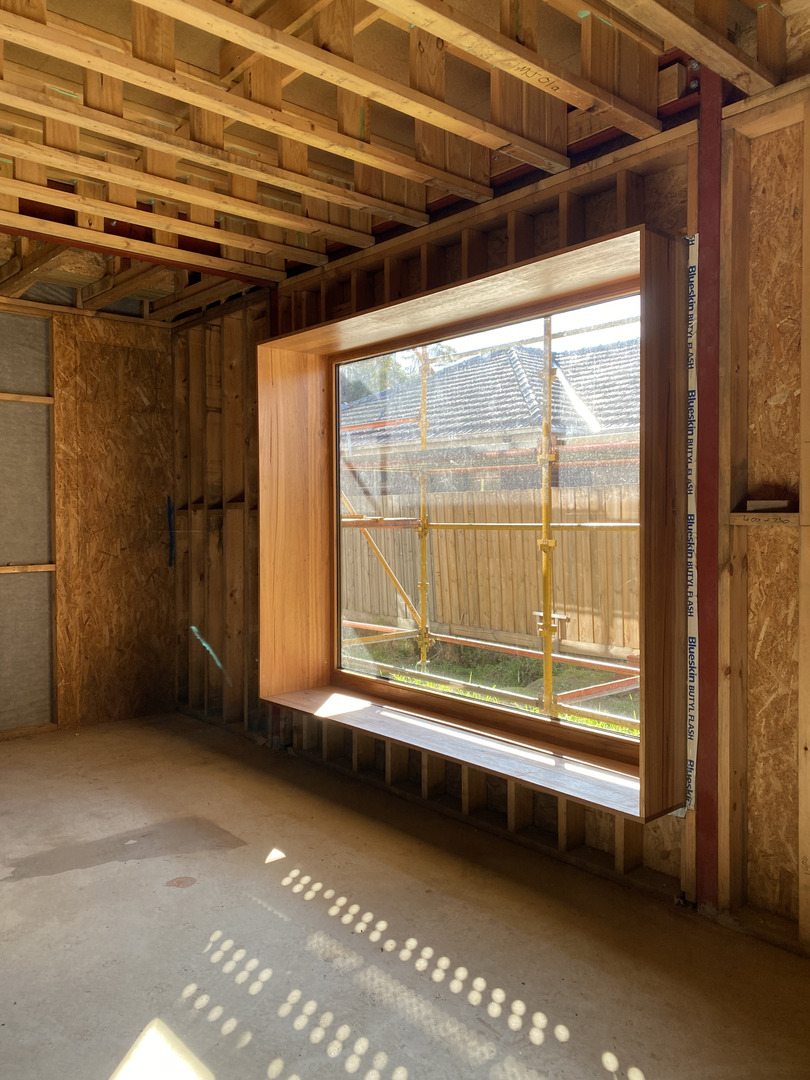
The Role of Technology in Advancing Green Construction Practices
Green construction is at the forefront of adopting sustainable practices in an era where environmental consciousness is no longer a choice but a necessity. The push for green construction has transformed the way buildings are designed, constructed, and maintained. A key driver behind this transformation is technology. From energy-efficient designs to the use of sustainable materials, technology is playing a crucial role in advancing green construction practices.
Energy-Efficient Building Designs
Modern technology has revolutionised how we approach building design, particularly in making structures more energy-efficient. Advanced software tools now allow architects and designers to create building models that optimise natural light, reduce energy consumption, and improve thermal performance. These tools can simulate various environmental conditions and predict how a building will perform over its lifetime, enabling the creation of designs that are not only sustainable but also cost-effective.
For example, Building Information Modeling (BIM) is a game-changer in the design phase. BIM software helps designers visualise energy flows within a building, identify potential energy waste, and make adjustments long before construction begins. This predictive capability means that buildings are designed from the ground up to be as energy-efficient as possible.
“Whatever good things we build end up building us.” – Jim Rohn, American Entrepreneur and Author
Sustainable Materials
The choice of materials plays a significant role in green construction. Technology has paved the way for the development and use of sustainable materials that reduce the carbon footprint of construction projects. These materials range from recycled steel and reclaimed wood to innovative products like self-healing concrete and bioplastics.
3D printing is another technology making waves in green construction. It allows for the creation of complex building components with minimal waste. Additionally, 3D printing can use materials that are less harmful to the environment, such as biodegradable composites and recycled plastics. This not only reduces the amount of waste generated during construction but also ensures that the materials used are more environmentally friendly.
“The first rule of sustainability is to align with natural forces, or at least not try to defy them.” – Paul Hawken, American environmentalist and entrepreneur
Smart Home Technologies
Green construction isn’t just about how buildings are constructed; it’s also about how they function once they are occupied. According to a blog by Rowse, a smart home is a home which contains one or more connected appliances/devices which allow them to be remotely monitored, controlled and accessed within the home or anywhere in the world over the internet. Smart home technologies are playing a pivotal role in making homes more energy-efficient and reducing their overall environmental impact.
For instance, smart thermostats can learn a household’s schedule and adjust the temperature accordingly, reducing energy usage when it’s not needed. Similarly, smart lighting systems can turn off lights in unoccupied rooms or adjust the brightness based on the amount of natural light available. These technologies not only reduce energy consumption but also provide homeowners with greater control over their energy use, leading to cost savings and a reduced carbon footprint.
Water Conservation Technologies
Water is another critical resource that green construction aims to use more efficiently. Technology is aiding in the development of systems that reduce water consumption in both residential and commercial buildings. Low-flow fixtures, rainwater harvesting systems, and greywater recycling technologies are just a few examples.
Smart irrigation systems, for example, are designed to minimise water usage by adjusting watering schedules based on weather conditions and soil moisture levels. These systems ensure that landscaping and gardens receive only the amount of water they need, thus conserving water and reducing runoff that can lead to soil erosion and water contamination.
Renewable Energy Integration
It is mentioned in a blog by Green Match, renewable energy is any form available in the natural environment and can be replenished repeatedly. The integration of renewable energy sources is a cornerstone of green construction. Solar panels, wind turbines, and geothermal systems are becoming increasingly common in new builds, thanks to advancements in technology that make these options more affordable and efficient.
The development of solar technology, in particular, has made it possible for buildings to generate a significant portion of their energy needs on-site. Photovoltaic panels can now be seamlessly integrated into the design of buildings, providing a clean and sustainable energy source without compromising aesthetics. Moreover, advancements in battery storage technology mean that excess energy generated during the day can be stored and used at night, further reducing reliance on non-renewable energy sources.
Waste Reduction and Management
Construction waste is a significant contributor to environmental degradation, but technology is helping to reduce this impact. Modern construction methods, such as prefabrication and modular construction, are designed to minimise waste by manufacturing building components in controlled environments where materials can be used more efficiently.
Additionally, technology is enabling better management of construction waste. For example, construction companies can now use software to track and manage waste throughout the construction process, ensuring that as much material as possible is recycled or repurposed. This not only reduces the amount of waste that ends up in landfills but also lowers the overall environmental impact of the construction project.
Building Automation and Monitoring
Building automation systems (BAS) are integral to the ongoing efficiency of green buildings. These systems allow for the automated control of a building’s energy systems, including heating, ventilation, air conditioning (HVAC), lighting, and even security systems. Through the use of sensors and advanced algorithms, BAS can optimise energy usage in real-time, reducing waste and ensuring that the building operates at peak efficiency.
Moreover, technology enables continuous monitoring of a building’s environmental performance. Sensors can track energy usage, water consumption, and indoor air quality, providing valuable data that can be used to make further improvements. This level of monitoring ensures that green buildings remain energy-efficient and environmentally friendly throughout their entire lifecycle.
Virtual and Augmented Reality in Construction
The adoption of virtual reality (VR) and augmented reality (AR) in construction is another example of how technology is advancing green practices. These technologies allow designers and builders to visualise and interact with building designs before construction begins, identifying potential issues and making necessary adjustments to improve sustainability.
For example, VR can be used to simulate how a building will interact with its environment, including how it will use natural light and how it will impact the local ecosystem. AR, on the other hand, can provide real-time data overlays during construction, ensuring that sustainable practices are followed and that any deviations from the design are quickly identified and corrected.
The role of technology in advancing green construction practices cannot be overstated. From the design phase through to construction and operation, technology is enabling more sustainable, efficient, and environmentally friendly building practices. By embracing these advancements, the construction industry can continue to reduce its environmental impact and contribute to a more sustainable future.
For Melbourne homeowners, Mesh Design Projects makes it easy to keep sustainability at the forefront of your building project. By working with our expert designers who prioritise green construction practices, you can ensure that your home not only meets your lifestyle needs but also contributes to a healthier planet. As green construction continues to evolve, Mesh Design Projects stays ahead of the curve, utilising cutting-edge technology to build homes that are as good for the environment as they are for the people who live in them. Ready to start your sustainable home journey? Schedule a free consultation today!
FAQs
What is green construction, and why is it important?
Green construction refers to the practice of designing and building structures that are environmentally responsible and resource-efficient throughout their lifecycle. It’s important because it reduces the environmental impact of buildings, conserves natural resources, and promotes sustainability. Green construction practices help lower energy consumption, reduce waste, and create healthier living environments.
How does technology influence green construction practices?
Technology plays a pivotal role in advancing green construction by enabling the design of energy-efficient buildings, the use of sustainable materials, and the integration of renewable energy sources. Innovations like Building Information Modeling (BIM), smart home technologies, and 3D printing allow for more precise, efficient, and environmentally friendly construction processes. Technology also helps monitor and optimise building performance, ensuring ongoing sustainability.
What are the benefits of using sustainable materials in construction?
Using sustainable materials in construction offers numerous benefits, including reduced environmental impact, lower energy consumption, and improved indoor air quality. Sustainable materials, such as recycled steel, reclaimed wood, and biodegradable composites, are designed to minimise waste and conserve natural resources. These materials often contribute to the overall durability and efficiency of the building, making it more cost-effective in the long run.
How do smart home technologies contribute to green construction?
Smart home technologies contribute to green construction by enhancing energy efficiency and reducing resource consumption. For example, smart thermostats adjust the temperature based on occupancy, while smart lighting systems optimise energy use by turning off lights in unoccupied rooms. These technologies provide homeowners with greater control over their energy consumption, leading to cost savings and a reduced carbon footprint.
What role does renewable energy play in green construction?
Renewable energy is a cornerstone of green construction, providing clean, sustainable power for buildings. Solar panels, wind turbines, and geothermal systems are increasingly integrated into new builds, reducing reliance on non-renewable energy sources. Advances in technology have made these renewable energy systems more efficient and affordable, allowing buildings to generate a significant portion of their energy needs on-site.
How can technology help reduce waste in construction?
Technology helps reduce waste in construction through methods like prefabrication, modular construction, and 3D printing. These approaches allow for the creation of building components in controlled environments, minimising material waste. Additionally, software tools can track and manage waste throughout the construction process, ensuring that materials are used efficiently and that waste is recycled or repurposed whenever possible.
What is Building Information Modeling (BIM), and how does it promote green construction?
Building Information Modeling (BIM) is a digital tool that creates a virtual representation of a building, allowing architects and designers to visualise and analyse energy flows, material usage, and environmental impacts before construction begins. BIM promotes green construction by enabling the design of energy-efficient buildings, optimising resource use, and identifying potential sustainability issues early in the design process. This results in more sustainable and cost-effective construction projects.
How does green construction benefit homeowners?
Green construction benefits homeowners by creating energy-efficient, cost-effective, and healthier living environments. Homes built with green construction practices often have lower utility bills due to reduced energy and water consumption. They also use sustainable materials that improve indoor air quality and reduce the overall environmental impact. Additionally, green homes tend to have higher resale values, making them a sound investment for the future. Looking to build green? Mesh Design Projects has you covered. Schedule your consultation now!
Schedule free consultation.